Prototype and Q-Sub
Building against real samples and opening the regulatory conversation early. Alpha partner: Wake Forest Baptist Hospital.
VidaLens is a reagent-free, software-defined optical platform for blood diagnostics, surfacing more from a single sample than conventional tests ever could.

The problem
The complete blood count counts. It does not describe. Clinicians work from averages and chemical proxies, and order a second test when the first one is ambiguous.
The complete blood count has worked essentially the same way for about fifty years. It reports how many, as averages and chemical proxies, and it does not describe what the cells themselves look like or how they behave. When the answer comes back ambiguous, the usual next step is to order a second test.
Years the underlying CBC method has gone essentially unchanged.
Global hematology market.
Of complete blood counts trigger a follow-on test.
What it does
One optical reading, interpreted by software, surfaces signal that standard panels discard. Designed and tested for reliable performance across populations.
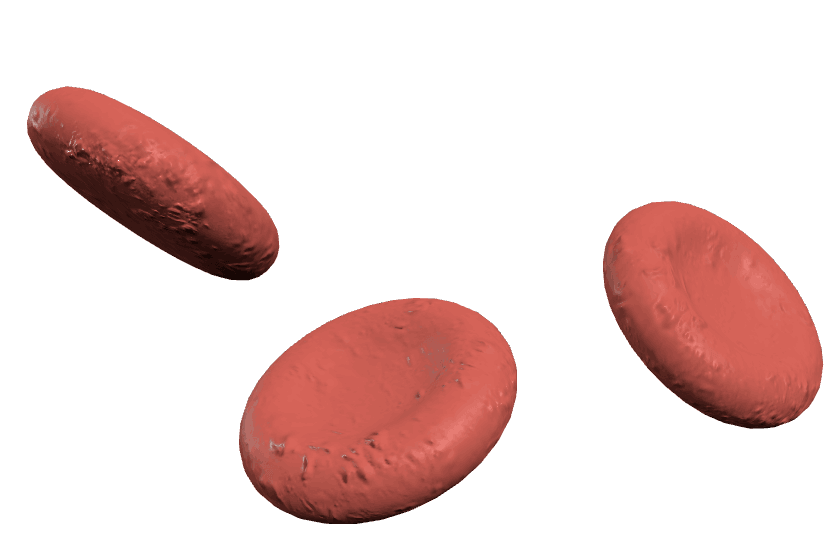
VidaLens takes one optical reading of a blood sample and interprets it in software. Nothing is added to the sample and nothing is consumed. From that single capture the platform is designed to describe individual cells rather than only count them, and to report back in the metrics a clinician already works from.
01 Structure
Captures the structure of individual cells rather than reducing a population to counts.

02 Composition
Surfaces compositional and functional signal that chemistry alone does not reach.
03 Interpretation
Software translates the reading into the metrics a clinician already works from.
The same field, twice
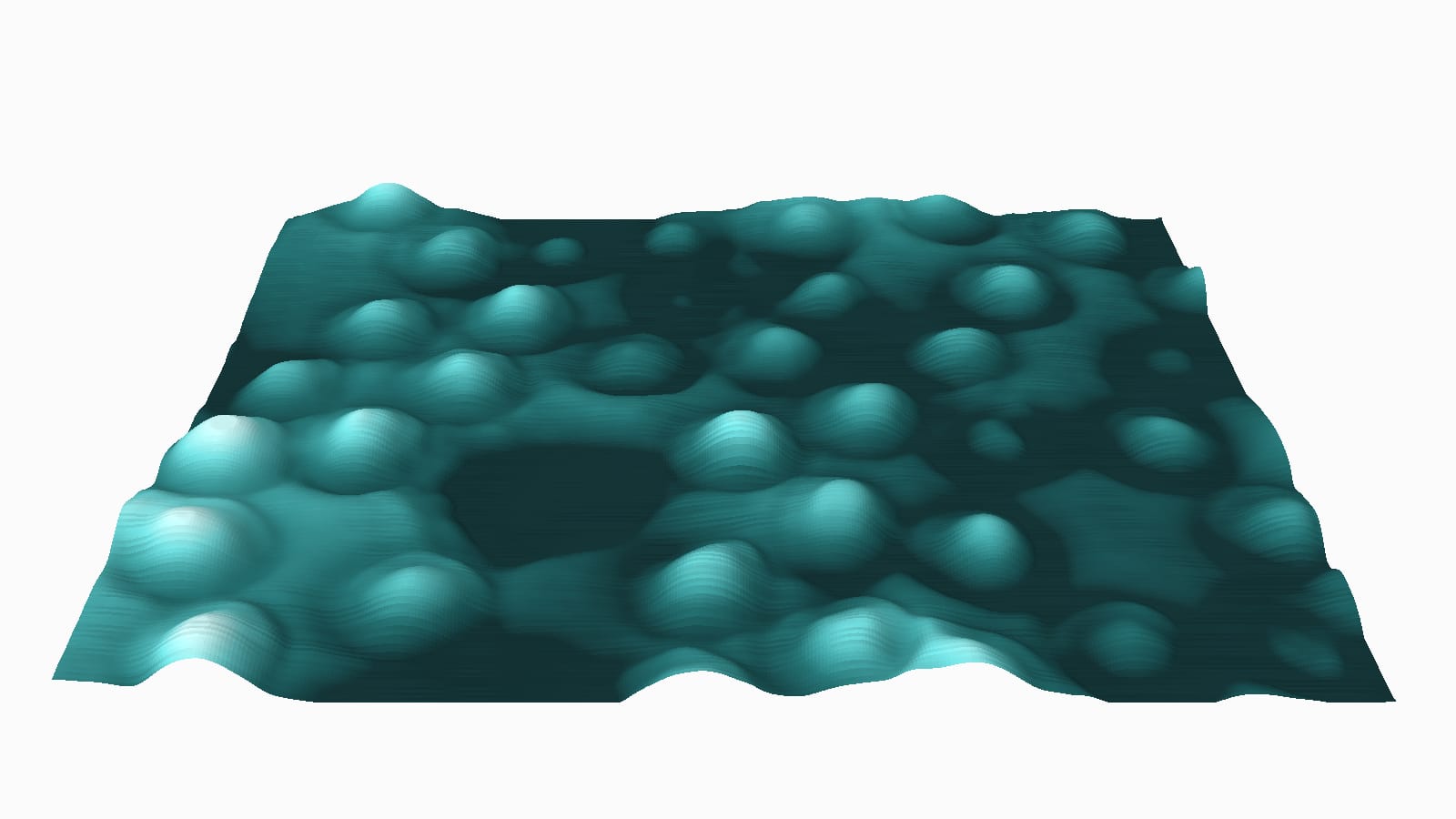
A brightfield frame and its measured optical-path map are the same field of view. Scroll, and the photograph rises into the surface it always encoded.
Vertical exaggeration ×15
10 µm
Roadmap
Five phases from prototype to expanded claims.
Building against real samples and opening the regulatory conversation early. Alpha partner: Wake Forest Baptist Hospital.
Placements with pharma and academic groups; independent publication.
Validation sites run the instrument against established methods.
Early adopters, first revenue.
Labs and urgent care.
Pathway modelled on the Sysmex XW-100 precedent.
Partner with us.
Pilots, research access and investment. The same platform, three different conversations.
Pilot in emergency and intensive care settings with real samples, and get early access to new capability as it ships.
Access optical cell data for publication and pre-clinical work.
We are currently raising.
Questions
The four an unfamiliar reader asks before anything else. Four more are answered on the technology page.
VidaLens is a pre-revenue medical technology company developing a label-free, reagent-free optical platform for blood diagnostics. The platform is designed to take a single optical reading of a blood sample and interpret that reading in software. VidaLens is at prototype stage and is not cleared by FDA.
No. Neither device is cleared by FDA, neither is for sale, and neither is for use in diagnostic procedures. The regulatory pathway is publicly described as modelled on the Sysmex XW-100 dual 510(k) and CLIA Waiver precedent.
No. The optical core is designed to read the sample directly, so nothing is added to the sample and nothing is consumed per reading. That is a description of the measurement method and of the intended design, not a statement about what the platform finds.
Investors, research groups and prospective hospital partners. VidaLens is at prototype stage, so there is no patient-facing product and no clinical availability. This site is written for people evaluating the technology, not for people seeking a test.
Next step
We will connect you with the right person for demos, pilots and investment conversations.
Stay in the loop
Updates on milestones, pilots and the science.
No spam. Unsubscribe in one click.